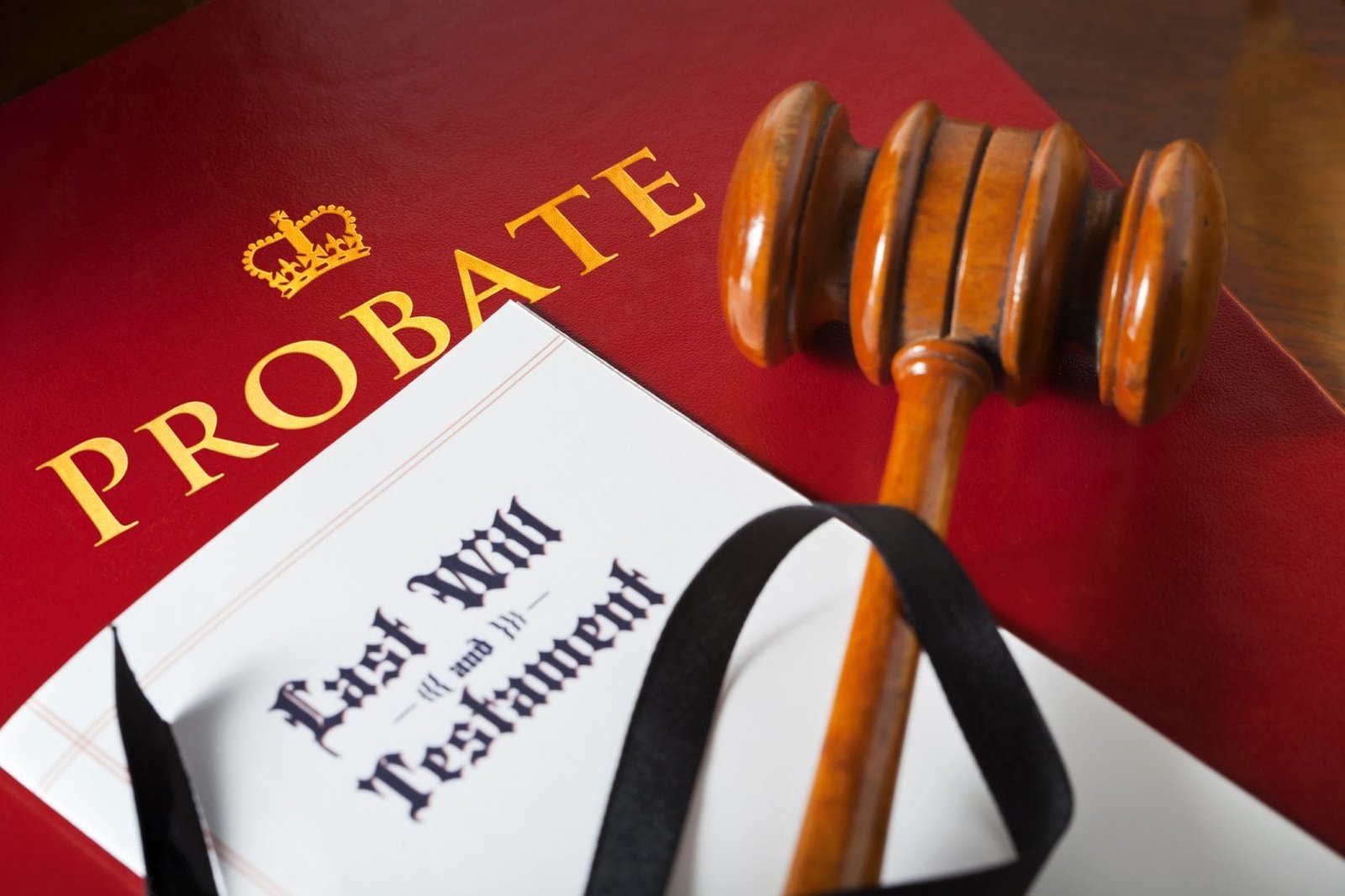
Managing a deceased estate often involves legal documents, court procedures, financial obligations, and careful communication between executors and beneficiaries. During this process, probate and estate administration brisbane services can play an important role in helping matters move forward in a clear and legally compliant way. Estate administration is rarely just a matter of reading a will and distributing property. In many cases, each stage requires accuracy, organisation, and a solid understanding of probate law in Queensland.
Understanding Probate and Estate Administration
Probate is the legal process through which the Supreme Court confirms that a will is valid and recognises the authority of the executor named in that will. Estate administration is the broader process of managing the whole estate after death. This includes identifying assets, reviewing liabilities, obtaining probate where necessary, settling outstanding obligations, and distributing the estate according to the will or applicable law.
These legal steps are essential because banks, property institutions, and other organisations often require formal proof of authority before releasing or transferring estate assets. Without the correct legal process, even a simple estate can face delays.
In Queensland, probate and estate administration require careful attention to legal formalities. Mistakes in paperwork, unclear clauses in a will, or missing records can all slow the process significantly. For that reason, legal guidance is often valuable from the earliest stage.
Why Probate Is So Important
Probate provides legal certainty. It confirms that the will presented to the court is valid and that the executor has authority to act on behalf of the estate. This authority is often required before property can be sold, bank funds can be accessed, or certain financial matters can be completed.
Probate becomes particularly important when the estate includes:
- real estate
- multiple bank accounts
- investments
- valuable personal property
- superannuation or business interests
- disputes about the will or executor role
Even when no dispute exists, probate remains a key part of the administration process because it creates a formal legal basis for the next steps.
The Main Stages of Estate Administration
Estate administration often follows a structured sequence. Although every estate is different, the process generally includes several key stages.
1. Initial Review of the Estate
The first stage usually involves locating the will, confirming the executor, gathering the death certificate, and reviewing the general structure of the estate. This initial review helps determine whether probate is required and what legal or financial issues may arise during administration.
At this point, it is also important to identify urgent matters such as protecting property, securing documents, and ensuring no asset is overlooked.
2. Probate Application Preparation and Lodgement
Applying for probate requires the preparation of specific court documents. This may include the probate application itself, affidavits, notices, and supporting material such as the original will and death certificate.
This stage often includes:
Document Compilation
Relevant legal documents need to be collected and organised carefully. Missing or inconsistent paperwork can result in serious delay.
Application Drafting
The probate application must be prepared in the correct form and in line with Queensland legal requirements.
Court Lodgement
After preparation, the documents are lodged with the Supreme Court. If the court requests clarification or additional material, those issues must be addressed promptly.
A properly prepared probate application can reduce stress and improve the overall efficiency of estate administration.
3. Will Validation and Interpretation
Not every will is clear and straightforward. Some wills contain ambiguous wording, outdated language, or clauses that can lead to disagreement. In other situations, multiple wills may exist, raising questions about which version is legally valid.
Will validation and interpretation may involve:
- checking execution requirements
- confirming legal validity
- resolving ambiguity
- analysing complex clauses
- reviewing possible disputes over authenticity
A careful legal review helps ensure that the estate is administered in accordance with the intentions expressed in the will and in compliance with current law.
4. Asset and Liability Identification
A full understanding of the estate is not possible until all assets and liabilities have been identified. This is one of the most important parts of estate administration because distribution cannot proceed properly until the financial position of the estate is clear.
Assets may include:
- real estate
- savings and transaction accounts
- investments and shares
- vehicles
- business interests
- jewellery and personal items
- digital assets
Liabilities may include:
- mortgages
- personal loans
- tax debts
- utility bills
- credit card balances
- creditor claims
This process can become complex in larger estates or when records are incomplete. Proper investigation and recordkeeping are essential for transparency and legal compliance.
Common Challenges in Probate Matters
Probate and estate administration can become more difficult when certain problems arise. Some of the most common challenges include:
Incomplete Documentation
Missing records, unsigned paperwork, or unclear financial information can delay the administration process.
Unclear Will Provisions
A will with vague or conflicting instructions may lead to confusion and disagreement among beneficiaries.
Disputes Over Validity
Claims involving fraud, undue influence, or lack of capacity can result in litigation and major delay.
Asset Ownership Issues
Joint ownership, hidden assets, or uncertainty about title can complicate estate administration.
Creditor and Liability Problems
Unexpected debts or disputed claims against the estate may affect the timing and amount of distribution.
These issues often require legal analysis and, in some cases, court involvement.
Court Representation in Probate and Estate Disputes
Some estates progress smoothly, while others involve formal disputes that require representation before the court. Probate litigation may arise when a will is challenged, when an executor is accused of failing to perform duties properly, or when a claim is made against the estate.
Court representation may be needed in relation to:
- contested wills
- family provision claims
- executor disputes
- creditor claims
- disagreement about interpretation of the will
- objections to probate
Strong legal representation can help present evidence clearly, protect legal rights, and work toward a fair resolution in a structured way.
Post-Probate Estate Administration
The grant of probate is a major milestone, but it is not the final step. After probate has been granted, the estate still needs to be administered fully. This often includes collecting assets, paying liabilities, finalising tax matters, and arranging distribution to beneficiaries.
Post-probate administration may involve:
Asset Distribution
Property, funds, and other items must be transferred according to the will or court orders.
Debt Settlement
Outstanding debts and obligations need to be reviewed and paid before final distribution.
Tax Finalisation
Estate-related tax matters may need to be resolved before administration is complete.
Ongoing Executor Support
Executors often need guidance during the final stages to ensure that duties are carried out correctly and efficiently.
This stage remains legally important because errors in final administration can still lead to dispute or delay.
Why Professional Legal Guidance Matters
Probate and estate administration often take place during a time of grief, uncertainty, and family pressure. Legal and financial responsibilities can quickly become overwhelming without clear direction. Professional guidance helps create order, reduce risk, and support compliance with legal obligations.
Legal assistance can be especially helpful when an estate includes:
- valuable or complex assets
- multiple beneficiaries
- unclear will provisions
- unresolved liabilities
- court proceedings
- time-sensitive legal requirements
A structured legal approach can make the process more manageable and help avoid mistakes that may cause further problems later.
Conclusion
Probate and estate administration in Queensland involve more than filing documents and waiting for approval. The process includes validating the will, preparing a probate application, identifying assets and liabilities, meeting court requirements, resolving disputes where necessary, and completing post-probate tasks in a legally correct way.
Each stage requires care, organisation, and legal accuracy. With a clear process and informed guidance, estate administration can move forward more efficiently, helping executors and beneficiaries handle legal responsibilities with greater confidence and clarity. In a complex area of law such as probate, careful management at every step makes a significant difference in achieving a smooth and compliant outcome.
Leave a Reply